

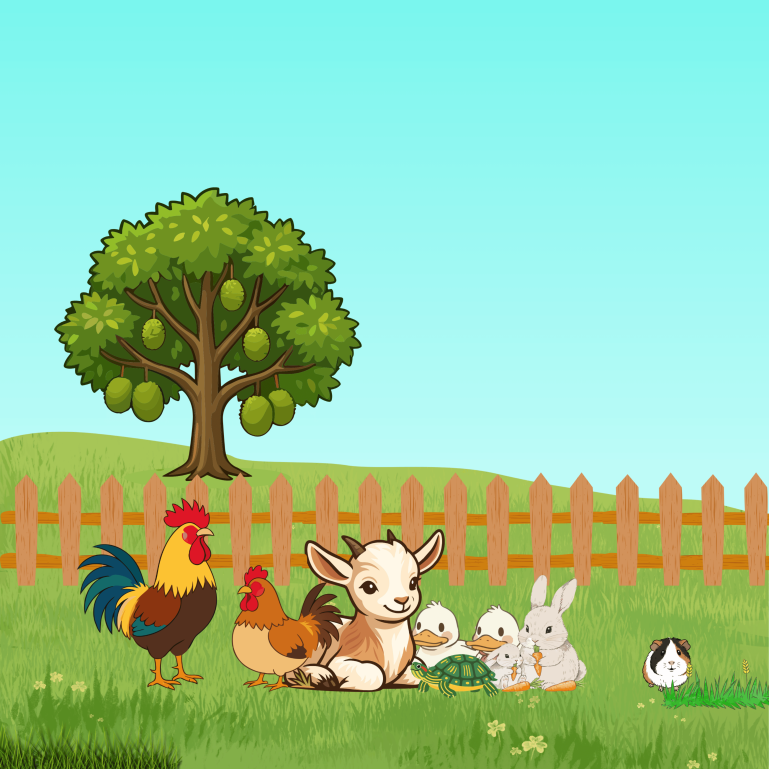
For as long as I can remember, I’ve always wanted a small backyard farm filled with useful animals like ducks, goats, chickens and the like. And in that space, I’d also like a pond filled with fishes and turtles.
This wasn’t something possible back then fr me when I was still living in Manila but now that my wife and I have a farm in Calinan, this dream is getting closer and closer to coming true.
Oh and yeah, she did say yes to it. Just as long as the chickens are kept away from her.
Now take note, I said a backyard farm. So, this will be a farm withinthe farm because I want something that I can easily manage on my own as a form of relaxation.
Now if you’re like me, I like to plan things out and make sure everything’s set before the animals ever get to my hands. The key is to reduce the stress involved in transit.
So here are steps you can take if you’re planning to put up a small backyard farm filled with animals here in Davao City.
Step 1: Assess What You Actually Have
The first question is not what animals do you want.
It is what do you have to work with.
For example:
- A 120 to 200 sqm is enough room for chickens and a small rabbit or guinea pig setup, but not much more without dedicated planning.
- A 500 sqm property on the outskirts of Davao or in Toril can accommodate goats.
- Anything above 1,000 sqm opens up genuinely interesting possibilities including a turtle pond.
Before you buy a single animal, walk your space. Map where the morning sun hits (important for chickens and turtles). Identify the lowest-lying areas (those areas flood — don’t put animals there).
Check your drainage. Know your neighbors’ tolerance for roosters, because bantam roosters crow as early as 4am even if it’s not a workday.
The Animals: What to Start With
Here’s what I recommend to someone who wants to put up a small backyard farm: Build it in stages.
Start with one type of animal, get comfortable, and then add some more.
Chickens — Start Here
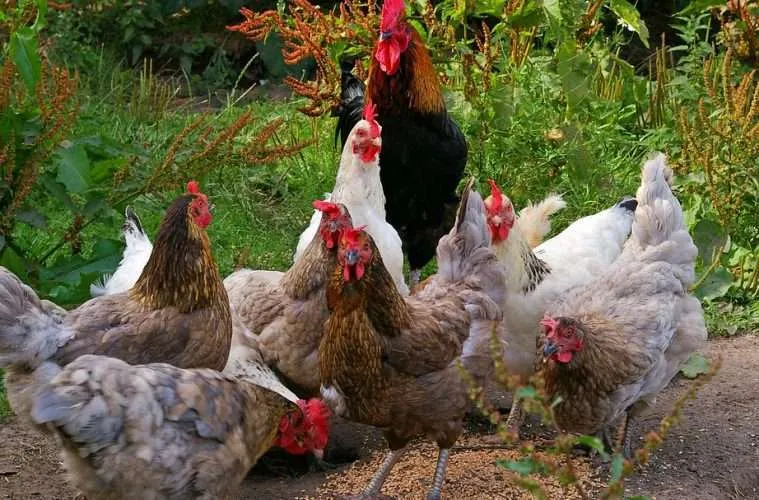
Chickens are the gateway animal of backyard farming.
They require the least infrastructure, produce food immediately (eggs within months of acquiring laying hens), and are the most forgiving of beginner mistakes.
Native breeds and Aspins of the chicken world — Darag, Paraoakan, and Philippine native crosses — are heat-adapted and disease-resistant in a way that imported layer breeds are not.
For a small backyard start: two to four hens and one bantam rooster if you want fertile eggs.
A simple covered coop elevated off the ground, a small run, and daily feeding.
Expect eggs within three to five months.
Feed costs are low, especially if you supplement with kitchen scraps.
Chickens also fertilize the soil they walk on, which is useful if you’re combining the farm with a garden.
I’ve covered chicken breeds extensively on hayopetc.com — the Australorp for high egg yield, chickens for small spaces, and I even did a Heihei article for anyone who wants a reference point from pop culture.
Goats — The Most Practical Livestock for a Philippine Backyard
One of my good friends here in Davao City has really good quality goats. And I’ve been meaning to get one from him but since my Durian trees are still young and vulnerable, I’ve put off on getting some.
But I’m definitely getting some once the farm is ready for them. Methinks I’ll enjoy me some bleating lawnmowers grazing on the farm.
Anyway…
A goat requires more space than chickens but delivers proportionally more return.
A single Nigerian Dwarf or Philippine native doe (female goat) in a 10 to 15 sqm pen with regular grazing time produces 1 to 2 liters of milk daily when lactating. That milk is richer and easier to digest than cow’s milk.
Kids — baby goats — are genuinely one of the most entertaining animals a family can have and children connect with them instantly. I’ve seen it firsthand with Lyle back when he was around 2 almost 3 years old. We still had goats then and there was a baby goat he really connected with.
Goats eat grass, weeds, leaves, and browse — all of which grow abundantly in Davao’s climate without much encouragement.
They are natural lawnmowers and brush-clearers.
They also, I should be honest with you, eat things you did not intend for them to eat.
They will eat your garden.
They will eat your laundry.
They will eat the fence post they are tied to.
So… plan their space accordingly.
For Davao, the biggest goat management challenge is the rainy season. Wet, muddy conditions lead to foot rot and respiratory infections. Elevated sleeping areas and dry bedding are non-negotiable from June onward.
Otherwise, our warm climate is ideal for goats — they are tropical animals at heart.
Rabbits — For the Kids and the Kitchen
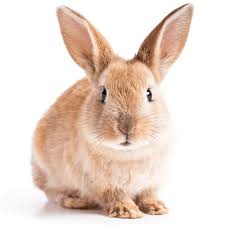
Rabbits occupy a specific and useful niche in a small Philippine farm.
They are quiet (no crowing, no bleating), their droppings are one of the best garden fertilizers available without any composting required, they reproduce quickly if you want to grow the herd, and they are gentle enough for children to handle confidently from around age six or seven.
In Davao’s heat, rabbits need shade and ventilation above everything.
They cannot tolerate temperatures above 28 to 30 degrees Celsius and will die of heat stroke in direct afternoon sun.
Elevated wire cages with solid resting boards, positioned in the shadiest corner of the property, work well. Feed primarily Timothy hay or local grasses, kangkong, pechay, and leafy greens. Fresh water should also always be available.
Breed-wise, the American or New Zealand White is the standard meat-and-breed rabbit for Philippine farms. If the goal is purely as pets for the children, smaller ornamental breeds are gentler but less practical from a farm productivity standpoint.
Guinea Pigs — Underrated, Child-Friendly, and Genuinely Useful
Guinea pigs are one of the most underrated small farm animals for a Filipino family context.
They are gentle, vocal, charming, easy for children to interact with safely, and their manure is also an excellent garden fertilizer.
They eat primarily grasses, hay, and leafy vegetables — most of which grow wild in any Philippine garden or can be sourced cheaply at any market.
Keep them in same-sex pairs or groups — they are social and deteriorate quickly when kept alone. Minimum enclosure size is 0.7 square meters per animal. Shade is critical. Vitamin C supplementation through fresh bell pepper or leafy greens daily is non-optional — guinea pigs cannot synthesize their own and will develop scurvy without it.
The Turtle Adoption Center — Our Long-Term Farm Goal
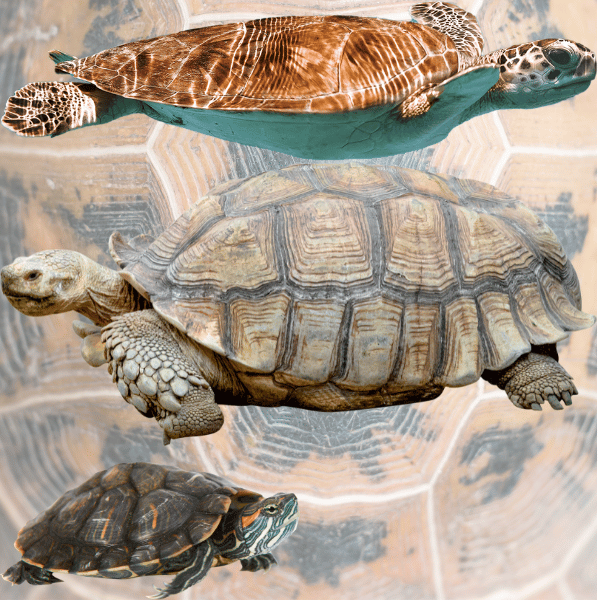
I’ve been writing about this topic for a while now and this is still a work in progress. We want to build a proper turtle adoption centre at the farm — a dedicated outdoor pond setup for Red-Eared Sliders and other chelonians whose owners can no longer care for them.
We will take any turtle.
No fees, no judgment.
If you have a slider that’s outgrown its tank or a tortoise that’s become too much for your apartment situation, reach out.
For a backyard farm context, a small outdoor concrete pond with a basking platform and good drainage is achievable in any property with 20 or more square meters of available garden space.
Red-Eared Sliders thrive in Davao’s ambient temperature without heating equipment.
UVB from natural sunlight covers their vitamin D needs outdoors. The filtration requirement is the main investment — get a canister filter rated for twice the pond volume and do weekly partial water changes.
Turtles are also one of the best animals for teaching children about long-term responsibility. A slider can live 40 years. The lesson of caring for something consistently, year after year, regardless of mood or interest level — that is a more valuable lesson than any school curriculum provides.
Quick Reference: Which Animal for Which Space
| Animal | Min. Space | Best For | Kids Factor | Practical Output |
| Chickens (native) | 10–20 sqm coop + run | Any size lot | High (hens gentle) | Eggs, pest control, fertilizer |
| Bantam Rooster | Small coop only | Any size lot | High | Fertilization, pest control, source of amusement and happiness, just pure joy in a tiny bundle |
| Goats (native dwarf) | 10–15 sqm pen + grazing | 500 sqm+ | Very High | Milk, lawn control, manure |
| Rabbits | 1–2 sqm per animal | Any size lot | High (age 6+) | Meat, pellet fertilizer, breeding |
| Guinea Pigs | 0.7 sqm per animal | Any size lot | Very High (all ages) | Manure, companionship, education |
| Turtle Pond | 20+ sqm outdoor | 300 sqm+ | High | Education, adoption rehoming |
Starting Right: The Three Rules
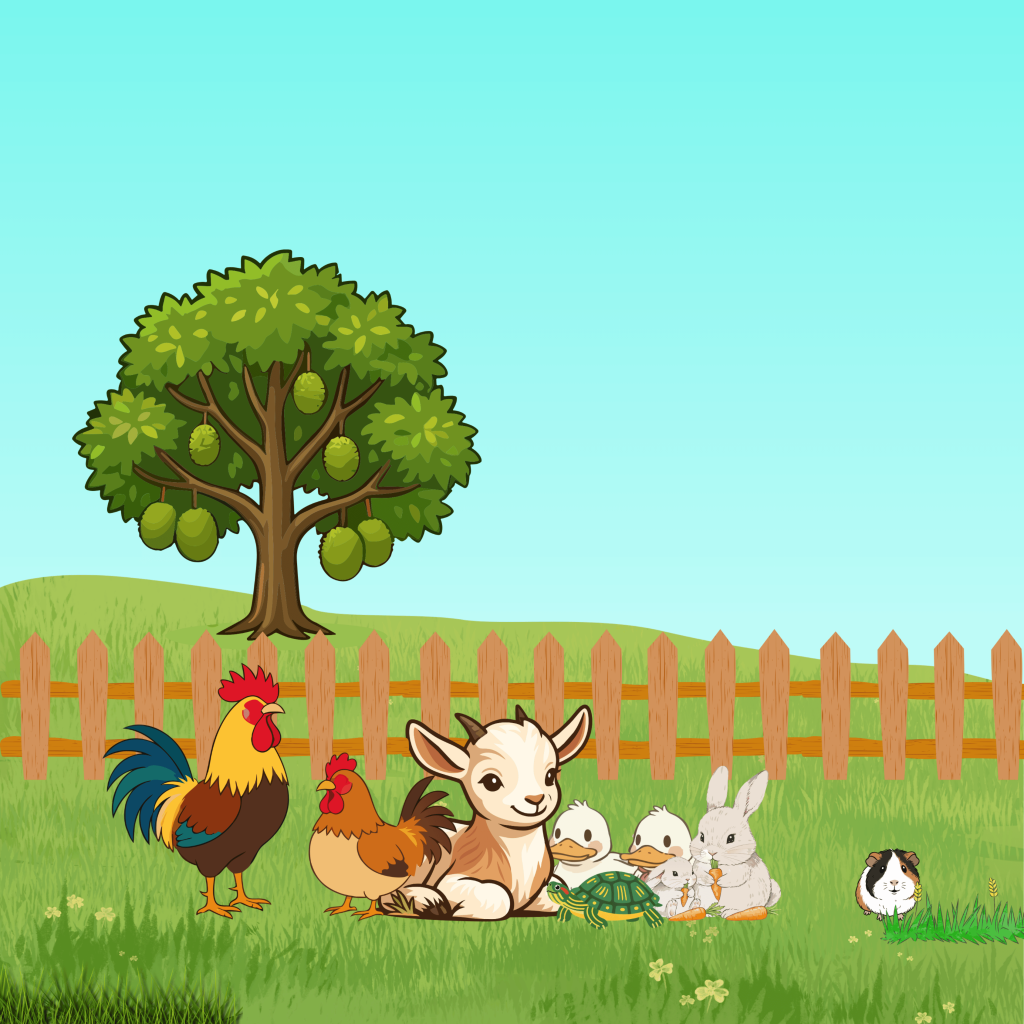
- Start with one animal category. Get comfortable with its needs, its rhythms, its demands before adding another. A farm that tries to do everything at once usually does nothing well.
- Build the shelter before you buy the animal. Never the other way around. The animal should arrive to a finished, safe space to reduce the stress on both yourself and the animal.
- Involve the children from day one. Let them participate in feeding the chickens in the morning. Let them refill the rabbit water. Let them watch the turtle from the pond edge. The earlier a child learns that another living thing depends on them, the better.
| TURTLE ADOPTION CENTER — NOW ACCEPTING: hayopetc.com’s farm-based turtle adoption centre is actively seeking Red-Eared Sliders and other chelonians whose owners can no longer care for them. We will take any turtle. No fees, no judgment. Contact us through hayopetc.com. We have the space, we have the pond setup, and we genuinely want them. |
| ANIMAL TRIVIA: Goat milk has naturally smaller fat globules than cow milk, which means it forms a softer curd during digestion and is significantly easier for many people to process — including children who are sensitive to cow milk products. This is why goat milk is used in infant formula in many parts of Europe and Asia. A productive backyard doe is not just a lawn ornament. She is a local dairy operation. |

