

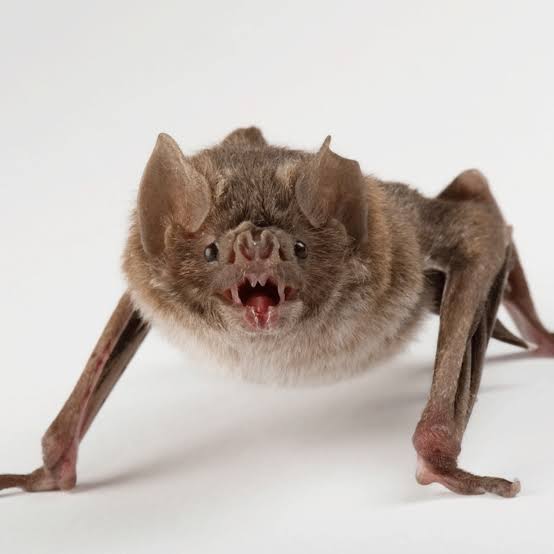
One of my pet peeves during Halloween is the vampire bat.
No I don’t despise the actual animal.
Just te people talking about them.
Especially those that claim vampire bats exist here in the Philippines.
Ugh…
Vampire bats don’t live anywhere near the Philippines.
All three known species are found in Latin America, from Mexico down through Argentina, which surprises a lot of people who assumed they were everywhere spooky bat folklore exists.
Yeah, if you’re a Filipino living in the Philippines, the risk of getting your blood sucked by a vampire bat is almost zero.
Almost zero because I won’t discount people who keep vampire bats for pets.
Who knows right?
Anyway, the bats we have in the Philippines are mostly fruit bats.
And real vampire bats don’t suck blood the way movies show.
They make a small, precise bite (usually on a sleeping cow, horse, or other livestock) and lap up blood with their tongue, aided by an anticoagulant in their saliva that keeps the wound from clotting while they feed.
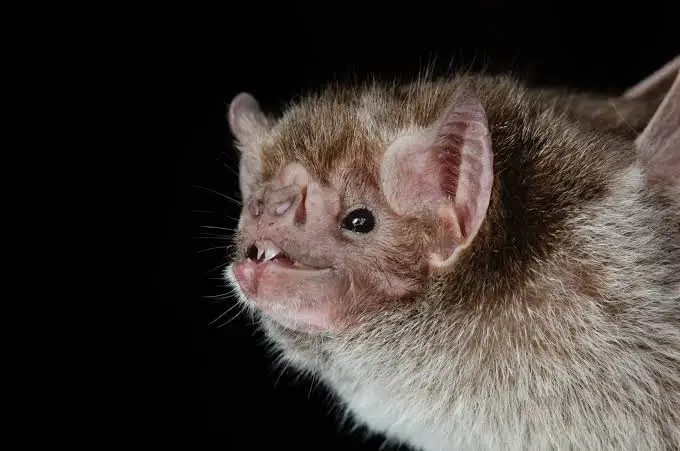
A typical meal takes about 20 minutes and amounts to roughly a tablespoon of blood, not the dramatic drain-you-dry scene from the stories.
That same anticoagulant, nicknamed draculin by researchers, has been studied for treating stroke patients, since it helps blood keep flowing through narrowed vessels.
So yeah, the vampire bat despite how maligned it is because of the folklore built around it is contributing in a positive manner to actual medicine!
The Real Danger About Vampire Bats
The genuine risk isn’t blood loss, it’s rabies, which vampire bats can carry and transmit through their bite. That’s a real concern for livestock in parts of Latin America, and it’s the actual reason wildlife agencies monitor bat populations closely, not folklore.
So yeah, the fangs are real, the bite is real, but the rest, the capes, the coffins, the transformation, those were all made up by overimaginative people in the past.
Don’t believe the myth.
Believe the reality about the vampire bat.

