

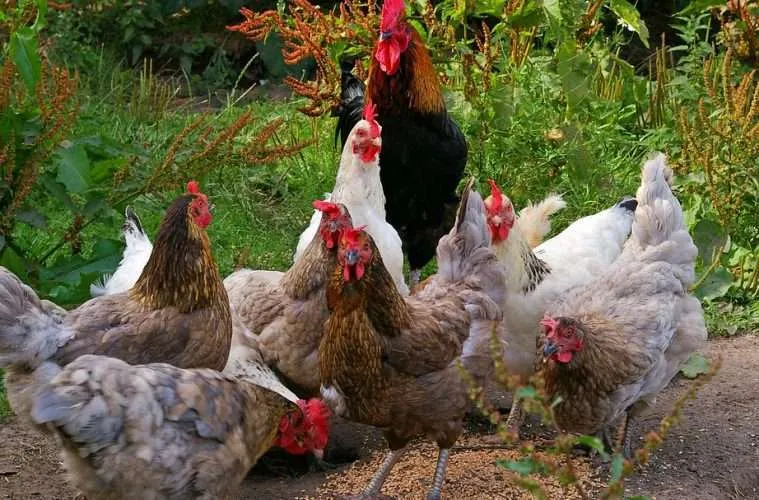
If you’re keeping chickens in the Philippines—especially in Davao City—you quickly realize that not all breeds are built the same.
Our weather can be brutal: hot, humid mornings and afternoons, then surprisingly cool nights. If you want consistent eggs, you need chickens that can handle heat, humidity, and sudden temperature changes without stressing out.
Below is my personal list of the top 10 egg-laying chickens or chicken breeds that are fit for Philippine conditions. These are practical birds—reliable layers, hardy, and relatively easy to keep.
1. Australorp
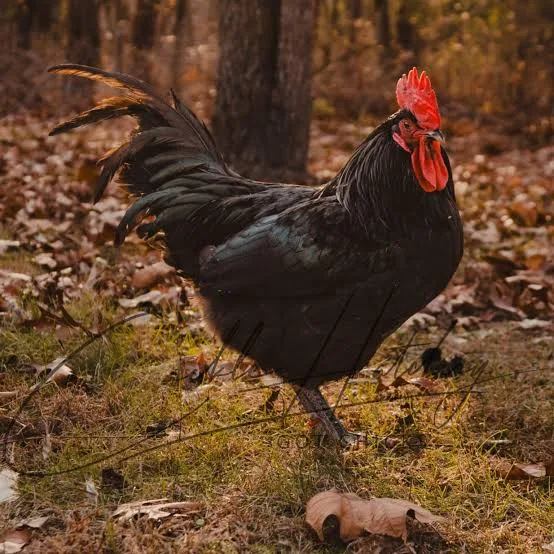
If egg production is your priority, Australorps are hard to beat.
- 250–300 brown eggs per year
- Calm, low-maintenance, heat tolerant
- Lays consistently even with weather changes
Perfect if you want a quiet, hardworking flock. I’m very biased on this one because I really, really, really, really want a flock of Australorps just ranging freely on the farm.
2. Rhode Island Red
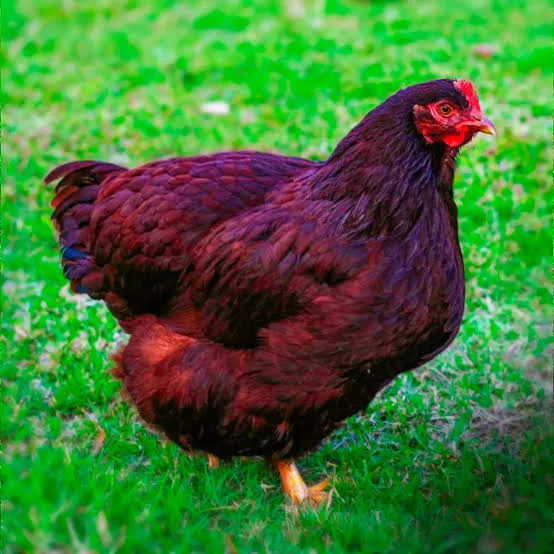
A classic breed that earns its reputation as a good egg-layer.
- 200–250 brown eggs annually
- Extremely hardy
- Adapts well to free-range systems
Great for backyard keepers who want tough birds. Another reason why this is on top of my list is because I keep getting reminded of the state Rhode Island because the manager we report to at work lives there and he’s one of my favorite people to talk to about farms.
3. ISA Brown
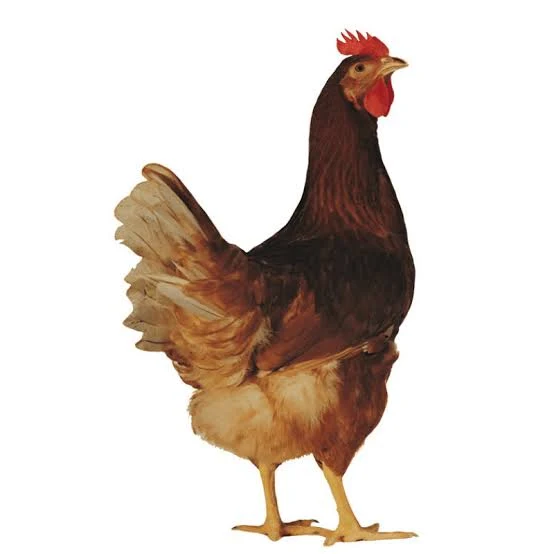
If you want eggs fast and lots of them, this is it.
- Up to 300 eggs per year
- Excellent feed-to-egg efficiency
- Handles heat well with proper ventilation
Often used in small-scale egg production setups.
4. Plymouth Rock
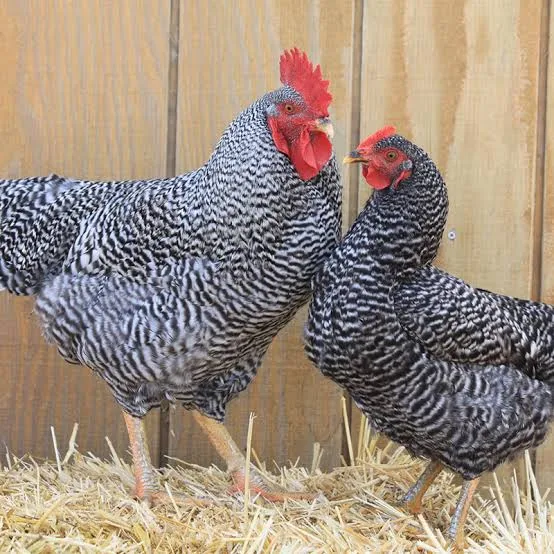
Balanced, friendly, and dependable.
- 200–280 brown eggs annually
- Cold-tolerant for cooler nights
- Calm and family-friendly
A good choice if you want dual-purpose birds.
5. Leghorn
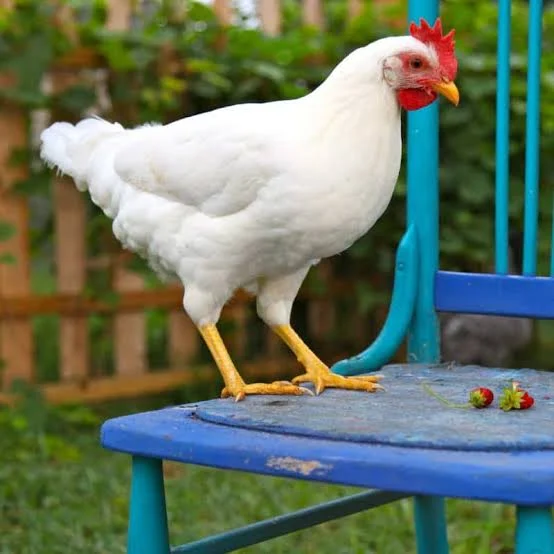
The egg machine of the chicken world.
- 280–320 white eggs per year
- Excellent heat tolerance
- Very active and alert
Best suited for larger spaces and free-range setups. We used to have a lot of these in Siocon, Zamboanga del Norte and I was the one responsible for scooping all of their poop and turning it into fertilizer for my grandma’s garden.
6. Sussex
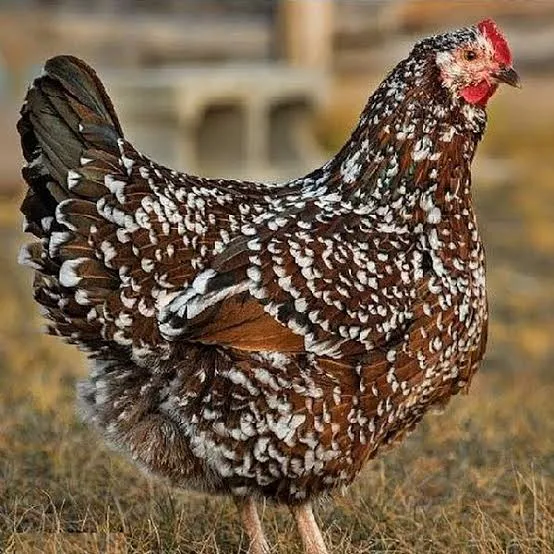
Underrated but very reliable.
- 240–260 eggs per year
- Adapts well to temperature shifts
- Gentle temperament
Good for mixed flocks in Davao’s changing weather.
7. Fayoumi
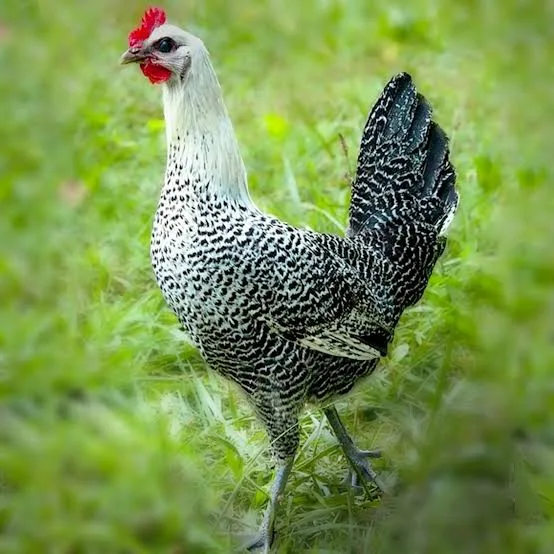
A hidden gem for tropical climates.
- 200–220 eggs annually
- Extremely heat-resistant
- Disease-resistant and hardy
Great if you want low-maintenance layers.
8. Hamburg
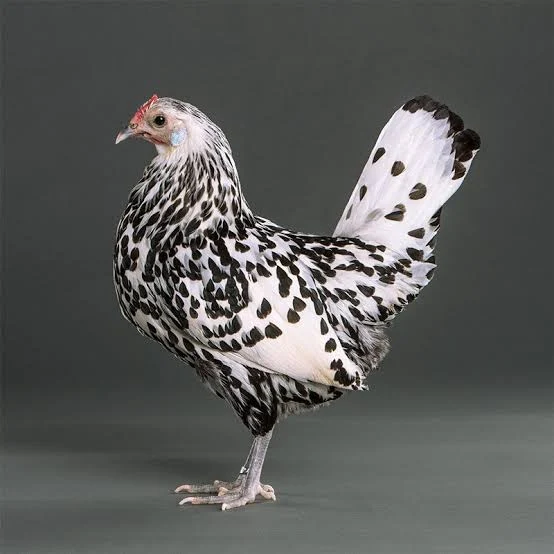
Small bird, big output.
- 200–250 white eggs per year
- Heat tolerant and active
- Thrives in free-range systems
Not cuddly, but very productive. … I think I know what I’m gonna do to these birds once they reach their non-productive age. hehehehe… I wonder if they’ll taste good as sliders though…
9. Barnevelder
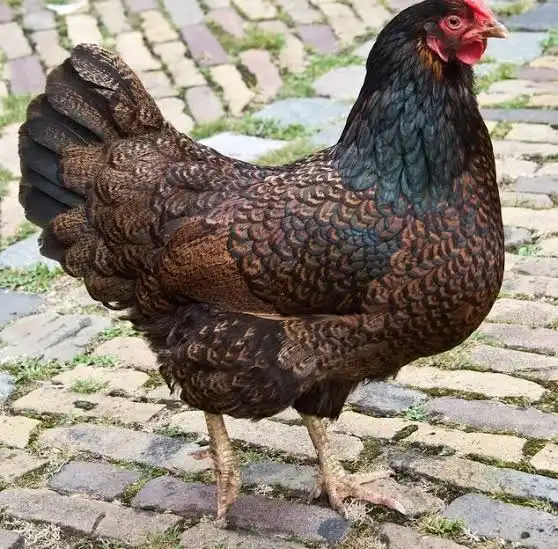
For those who want quality over sheer quantity.
- 180–200 brown eggs
- Good cold tolerance for nighttime dips
- Calm and sturdy
Excellent backyard birds. First time I heard of these birds but with the word “barn” in their name… well… I think they’re fit to be farm animals.
10. Local Native Chickens (Improved Lines)
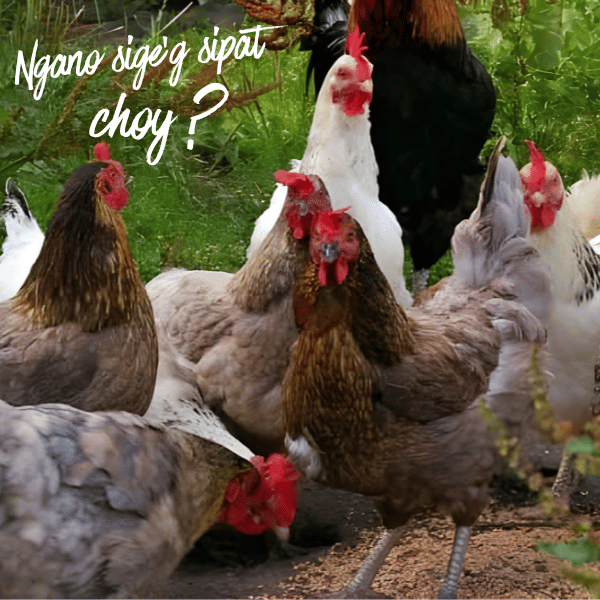
Never underestimate local breeds. Bisayang Manok in the local dialect.
- 150–200 eggs per year
- Best adaptation to Philippine climate
- Strong disease resistance
Crossbreeds and improved lines can be surprisingly productive. Obviously…
As a Recap
| Breed | Eggs / Year | Heat Tolerance | Egg Color |
| Australorp | 250–300 | Good | Brown |
| Rhode Island Red | 200–250 | Good | Brown |
| ISA Brown | 280–300 | Very Good | Brown |
| Plymouth Rock | 200–280 | Moderate | Brown |
| Leghorn | 280–320 | Excellent | White |
| Sussex | 240–260 | Good | Brown |
| Fayoumi | 200–220 | Excellent | White |
| Hamburg | 200–250 | Good | White |
| Barnevelder | 180–200 | Moderate | Brown |
| Native (Improved) | 150–200 | Excellent | Varies |
Raising egg-laying chickens in the Philippines isn’t about choosing the best breed on paper. It’s about choosing birds that can handle heat, humidity, and temperature swings without sacrificing egg production.
In Davao City, ventilation, shade, and clean water matter just as much as breed choice. Pick chickens that work with our climate, not against it—and you’ll have happy chickens and baskets full of eggs.

