

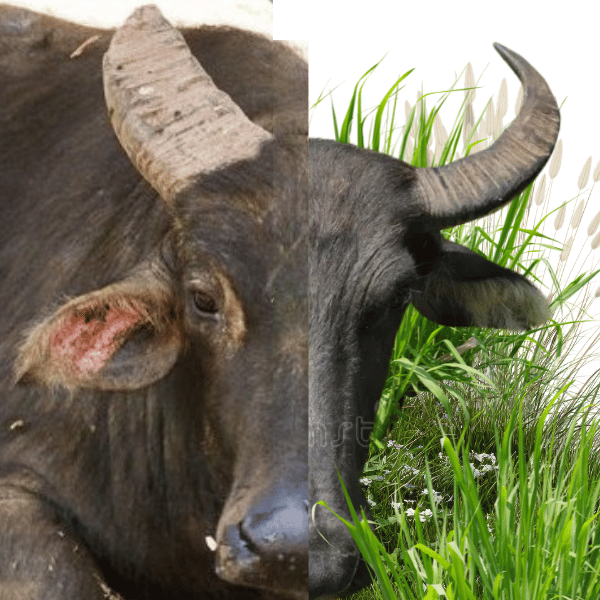
Growing up in the Philippines, we all knew at least one thing for sure: the carabao is our national animal.
We saw them in textbooks, on posters, on farm fields when we traveled to the province. They were the patient giants of our childhood — gentle, hardworking, and always part of the Filipino identity.
But somewhere along the way, many Filipinos also heard about the tamaraw.
Some people assumed it was just a “wild carabao,” while others thought it was the same animal, just… smaller and angrier.
And honestly?
I don’t blame anyone for the confusion. Both are horned, both are part of our culture, and both can look similar if you’ve never seen them side by side.
But the truth is this:
The carabao and the tamaraw are worlds apart — not just in appearance, but in personality, behavior, and even in their role in our history.
The Carabao: The Gentle Powerhouse of the Filipino Farmer
If there’s one animal that resembles the Filipino spirit — patient, resilient, adaptable — it’s the carabao.
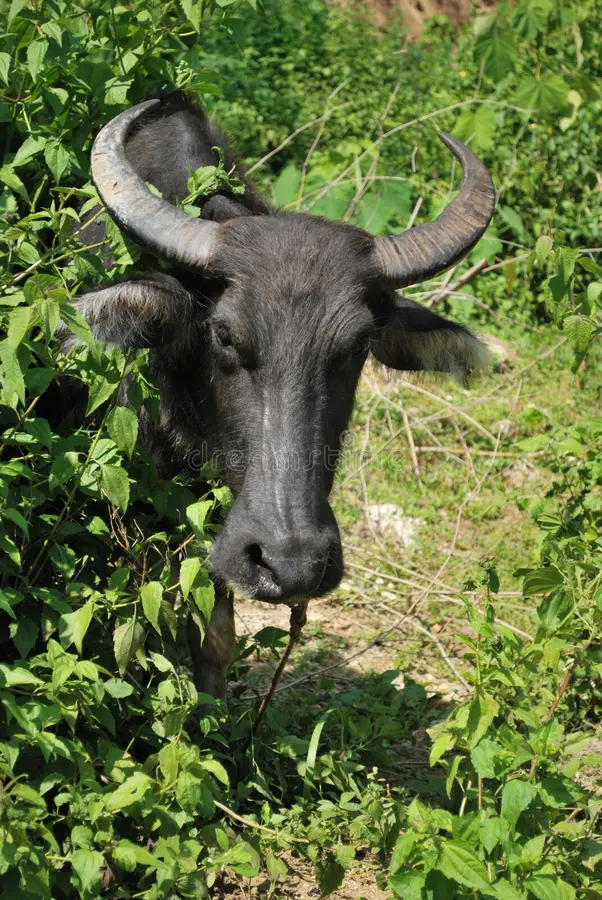
Carabaos are domesticated water buffalo, known for their calm temperament and incredible strength.
They’ve pulled plows, hauled carts, transported produce, and stood in the rain with us for generations. They’re the quiet, uncomplaining workers of the agricultural world — and honestly, they deserve every bit of respect.
What makes the carabao truly beautiful is its relationship with people. It works with us, adjusts to us, even bonds with us. A well-cared-for carabao will follow the farmer like a loyal assistant. It’s the kind of animal you grow up with, not just use.
Carabaos are also larger, heavier, and wider than tamaraws. They love water, mud, and chilling in ponds — something the tamaraw doesn’t always do.
The Tamaraw: The Fierce, Endangered Spirit of the Wild
On the other hand, the tamaraw is like the mysterious cousin you rarely see but everyone talks about with pride. Found only in Mindoro, this small wild buffalo is one of the rarest animals in the world — and one of the most important symbols of Philippine conservation.
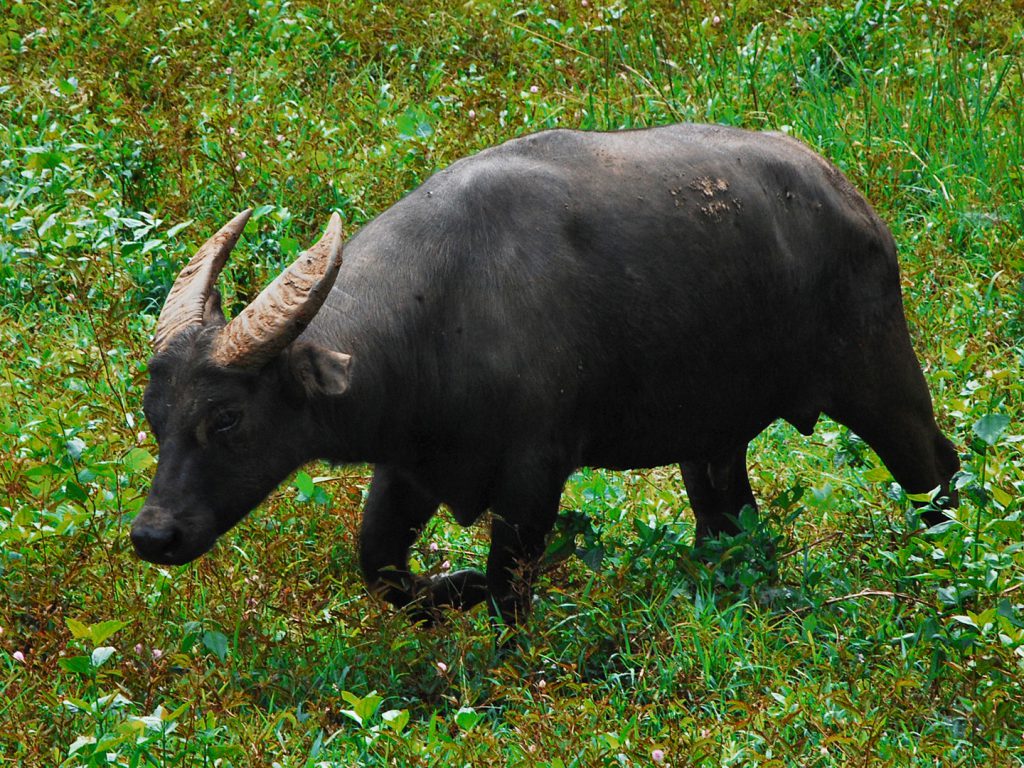
Unlike the carabao, the tamaraw is:
- wild
- solitary
- territorial
- and absolutely not meant to be domesticated
If the carabao represents cooperation, the tamaraw represents independence.
The tamaraw is stocky but smaller, with shorter V-shaped horns and a shaggier look. It’s fast, cautious, and prefers grasslands and forest edges. It wants nothing to do with humans — and honestly, that’s how it should be. Tamaraws thrive when we leave them alone.
Their decline came from hunting, habitat loss, diseases from livestock, and the simple fact that Mindoro is the only place they live. Because of that, the tamaraw has become a symbol of natural heritage — a reminder that strength isn’t just about size, but survival.
Why People Still Confuse the Two
If you grew up in the city and only saw these animals in textbooks, it’s easy to assume they’re related closely or that one is the wild version of the other. Both are bovines, both have horns, both are Filipino icons, and both play huge roles in our culture.
But biologically? They’re about as different as a Labrador and a wolf.
Carabao vs. Tamaraw: How to Tell the Difference (Simple List)
1. Size
| Carabao | Tamaraw |
| Big, heavy, 400–500 kg; wide-bodied | Smaller, compact; around 300 kg |
2. Horns
| Carabao | Tamaraw |
| Long, curving horns sweeping backward like a crescent | Short, sharp, upright V-shaped horns |
3. Behavior
| Carabao | Tamaraw |
| Gentle, calm, domesticated, friendly | Shy, solitary, territorial; avoids humans |
4. Habitat
| Carabao | Tamaraw |
| Lowlands, rice fields, farms, muddy areas | Grasslands, forests, mountains — Mindoro only |
5. Purpose
| Carabao | Tamaraw |
| Farming, hauling, transport, cultural icon | Protected wildlife species; symbol of conservation |
6. Temperament
| Carabao | Tamaraw |
| Tame and highly trainable | Wild, unpredictable, cannot be domesticated |
7. Legal Status
| Carabao | Tamaraw |
| Legal to own as livestock | Illegal to own, trade, or capture; strictly protected |
8. Relationship With Humans
| Carabao | Tamaraw |
| Works closely with humans; farm companion | Avoids humans, in fact, it wants nothing to do with humans, period; prefers isolation |
9. Population
| Carabao | Tamaraw |
| Millions worldwide | Only a few hundred remaining |
10. Symbolism
| Carabao | Tamaraw |
| Hard work, loyalty, agriculture | Strength, resilience, and Philippine wildlife conservation |
Why These Differences Matter
Understanding the difference between the two isn’t just trivia — it’s respect.
The carabao is a partner in our survival. It has fed families, helped farmers, and supported rural communities for centuries. It’s the animal that literally shaped Filipino life before modern machinery existed.
The tamaraw, meanwhile, is a reminder of the Philippines’ wild roots. It’s proof that our islands once had powerful animals roaming freely. It shows us that our identity isn’t just agricultural — it’s ecological too.
Loving the carabao means acknowledging its role in our daily lives.
Protecting the tamaraw means ensuring our future generations still have wildlife to admire.
Both deserve recognition, but for completely different reasons.
Two Symbols, One Philippines
The carabao and the tamaraw are like two sides of the Filipino character.
- One is calm, hardworking, steady, and reliable.
- The other is fierce, independent, rare, and proud.
One stands beside us.
The other stands for something bigger than us.
When people confuse them, I understand why. But I also feel that knowing the difference makes you appreciate each animal more.
The carabao reminds us of our roots — the simple, hardworking life that built this country.
The tamaraw reminds us of our responsibility — to protect what’s left of our natural world.
And honestly?
Both deserve to be celebrated.

