
Scientific Name: Ambystoma mexicanum
Scientific Classification
Kingdom: Animalia | Phylum: Chordata | Class: Amphibia | Order: Caudata | Family: Ambystomatidae | Genus: Ambystoma
Physical Characteristics
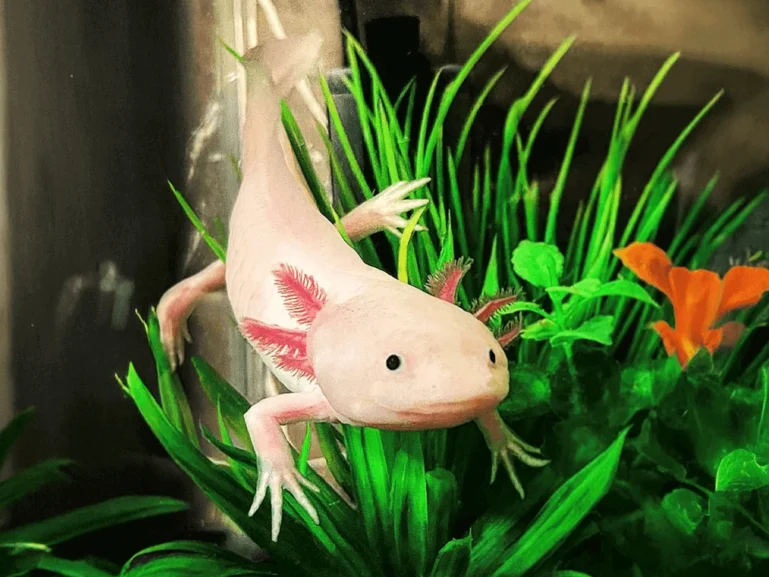
Axolotls are neotenic salamanders – they keep their baby-like features even as adults, including those adorable feathery external gills that look like a crown.
They typically grow 15-45 cm (6-18 inches) long, with most averaging around 23 cm (9 inches). They’re chunky creatures with wide heads, lidless eyes, and that permanent smile that makes them so appealing to kids.
Axolotls come in various colors: wild-type (dark mottled), leucistic (pink with black eyes), albino (golden), melanistic (all black), and other morphs. Their lifespan in captivity is impressive at 10-15 years, with some reaching 20+ years.
They have an amazing superpower – they can regenerate lost limbs, spinal cord, heart, and other organs.
Habitat & Distribution
Native to Lake Xochimilco in Mexico City’s Valley of Mexico at 2,274 meters elevation. Historically found in Lakes Chalco, Texcoco, and Zumpango – most are now drained or polluted.
They live in high-altitude, cool freshwater lakes with abundant aquatic vegetation. Wild axolotls are Critically Endangered with fewer than 1,000 individuals remaining. Pet axolotls are all captive-bred from stable populations – never wild-caught.
CRITICAL CLIMATE ISSUE FOR DAVAO CITY: Axolotls evolved in cold mountain lakes at 10-20°C (50-68°F). Davao’s tropical climate averages 27-32°C (81-90°F) year-round. This temperature difference is HUGE and non-negotiable – you absolutely need water cooling equipment to keep an axolotl alive in Davao.
Diet & Behavior
Axolotls are obligate carnivores that hunt by smell and suction-feed their prey. In the wild, they eat small fish, mollusks, worms, insects, and arthropods. In captivity, feed them earthworms, nightcrawlers, bloodworms, and specialized sinking pellets.
They’re opportunistic ambush predators that sit still and wait for food to pass by. Axolotls are mostly nocturnal and crepuscular (active at dawn/dusk), sleeping during the day. They’re solitary animals that don’t need companionship.
They can be cannibalistic, especially as juveniles. Sexual maturity is reached at 18-27 months with a gestation period of 10-14 days after egg-laying. Females lay 100-300+ eggs per breeding.
Pet Suitability Assessment for Davao City Families
Rating: 2 out of 5
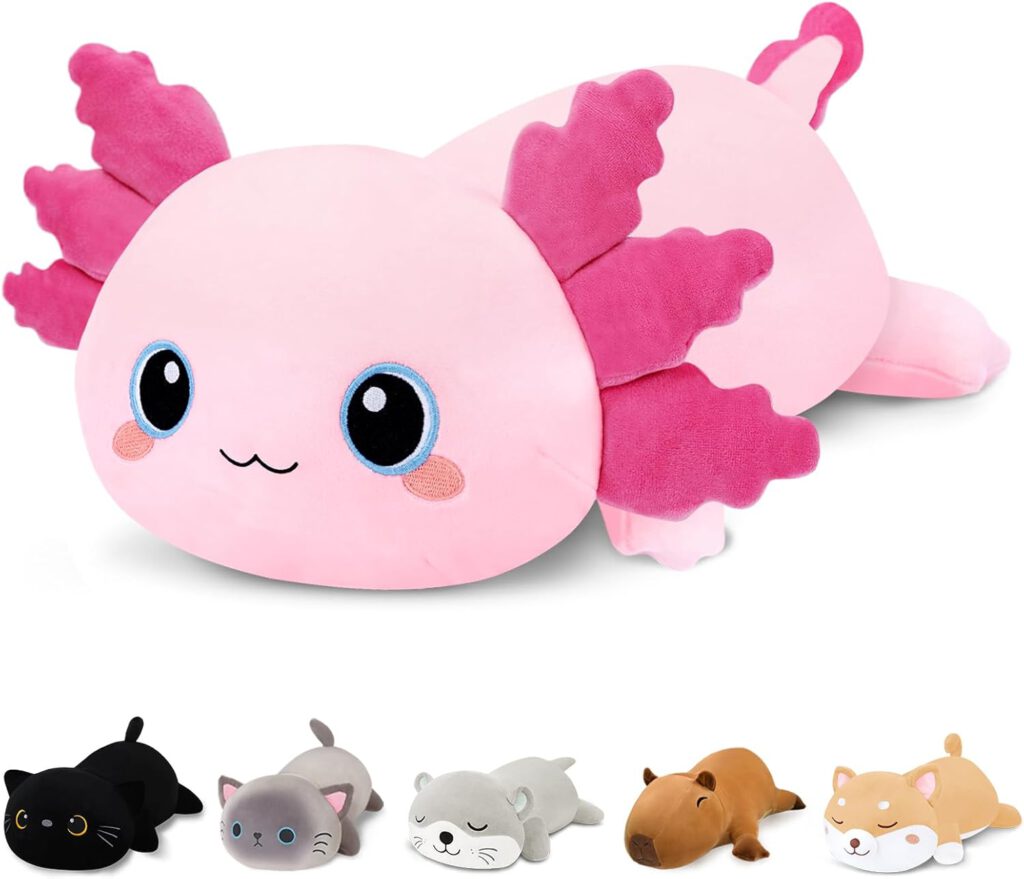
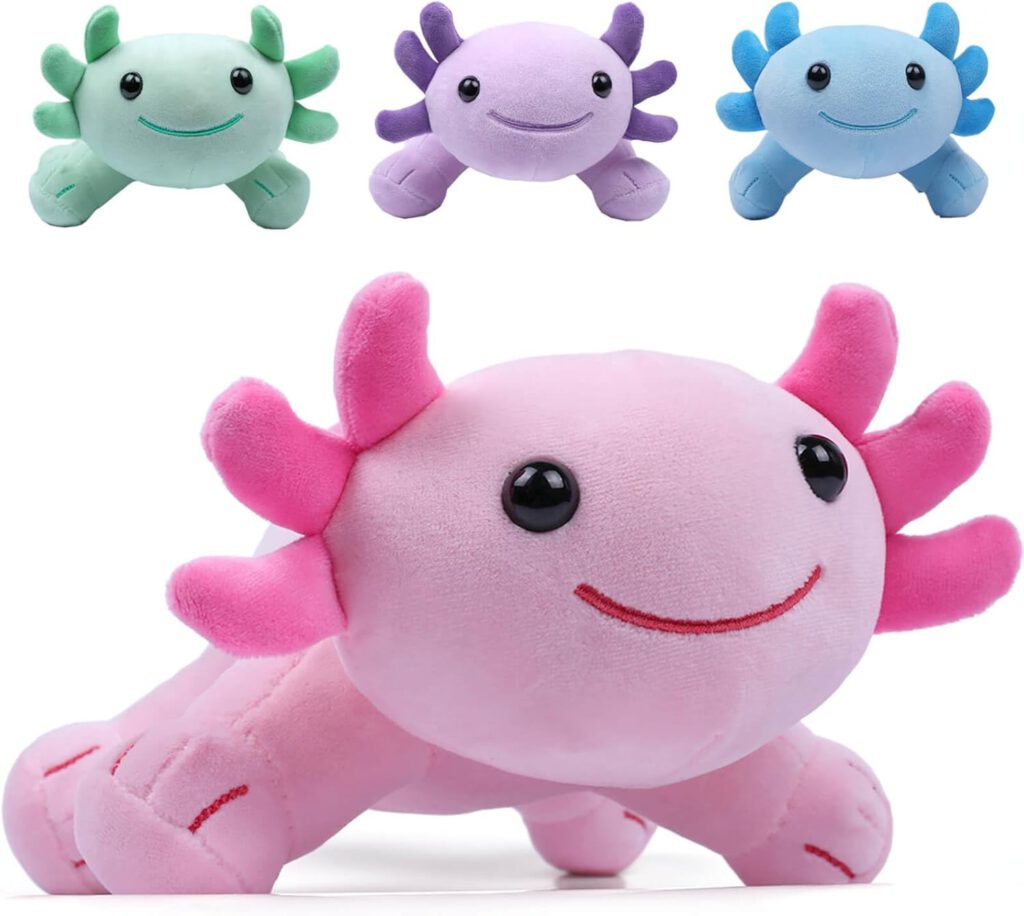
My son has been begging for an axolotl ever since we bought him that cute axolotl toy from SM Toy Kingdom. Like many parents, I wanted to do my research before committing to a real one.
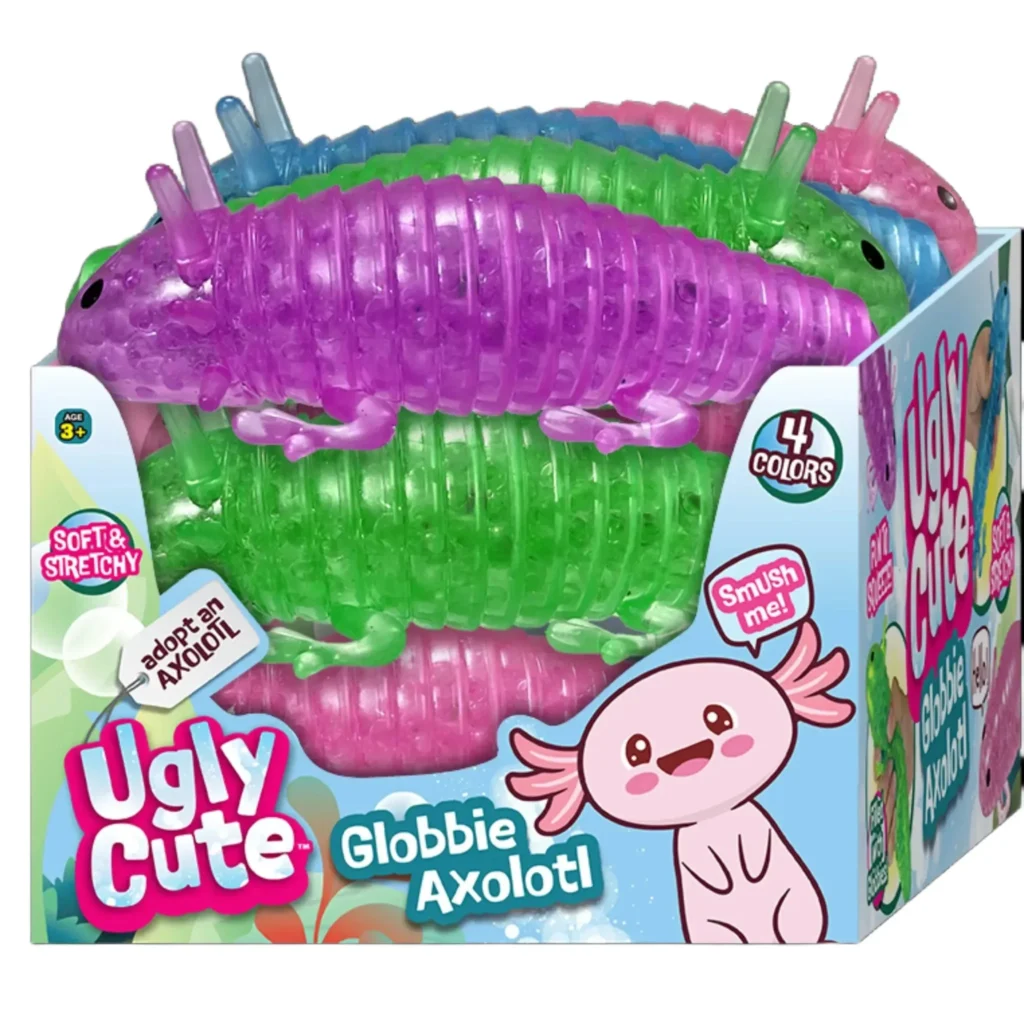
With what I found out, I’m rating axolotls at 2 out of 5 specifically for Davao conditions. Yes, they’re adorable. Yes, your kid will absolutely love them after seeing those cute toys at SM. But here’s the reality check every Davao parent needs.
The Temperature Problem is SERIOUS: Axolotls need water between 16-18°C (60-64°F), with 20°C (68°F) being the absolute maximum. Above 24°C (75°F), they start dying. Davao’s tap water comes out at 27-30°C. You need an aquarium chiller running 24/7, 365 days a year. Based on current Davao electricity rates, a quality chiller costs ₱15,000-30,000 to buy, plus ₱2,000-3,500 monthly to run. That’s ₱24,000-42,000 per year in electricity alone. During brownouts (which happen in Davao), your axolotl could die in hours without backup cooling.
The Setup Investment: You’ll need minimum 75-liter (20-gallon) aquarium for one axolotl, better is 150-liter (40-gallon). Add the chiller, filter with gentle flow, thermometer, water test kit, hiding spots, and fine sand substrate – you’re looking at ₱25,000-50,000 initial investment. This isn’t a goldfish bowl situation.
Legal Requirements in the Philippines: Axolotls are exotic animals under RA 9147. You need a Certificate of Wildlife Registration (CWR) from DENR. Buy only from sellers with a Wildlife Farm Permit (WFP) or you’re purchasing illegally. Check with DENR-Region XI (Davao Region) before purchasing. Illegal wildlife possession can result in fines and criminal charges.
Care Complexity: This is NOT a beginner pet. The aquarium needs to complete a 4-8 week nitrogen cycle before adding an axolotl. You must test water parameters regularly (ammonia, nitrite, nitrate, pH). Weekly 20% water changes are mandatory. Temperature fluctuations cause stress and death. They’re messy eaters with heavy bioload. Finding exotic vets in Davao who know amphibian medicine is challenging.
The Kid Factor: Kids can’t handle axolotls – they have delicate skeletal systems and their skin absorbs substances directly from hands. No petting, no taking them out of water. They’re “look but don’t touch” pets that are mostly active when kids are asleep. The novelty wears off fast when they realize it’s just a creature sitting at the bottom of a tank.
Food Sourcing: Earthworms and nightcrawlers are their best diet. You’ll need to find local suppliers or set up a worm farm. Specialized sinking pellets may need to be ordered online. Live food requirements add ongoing cost and effort.
The 10-15 Year Commitment: If properly cared for, axolotls live 10-15 years, some reaching 20. That’s longer than most dogs. Are you ready to maintain a chiller and do weekly water changes for that long? Will your child still be interested in three months? Six months? Three years?
The Bottom Line: Axolotls are fascinating creatures, but they’re terrible pets for most Davao families. The climate incompatibility alone makes this a difficult and expensive proposition. Unless you have stable electricity, can afford ₱3,000+ monthly running costs, have experience with aquariums, secured DENR permits, and understand your child won’t be able to interact with it – skip the axolotl.
Better Alternatives for Kids in Davao: If your child loves aquatic pets, consider tropical fish (bettas, guppies, tetras) that thrive in our warm water without chillers. If they want something unique and interactive, look at guinea pigs, hamsters, or rabbits that can handle our climate with good ventilation and don’t require expensive temperature control.
Final Parent-to-Parent Advice: I know it’s hard to say no when they’re so excited about that SM toy. But a plush axolotl is ₱500-800 one-time. A real axolotl is around ₱3000-10000 depending on the quality. And those are the ones that are run of the mill types. Not the more exotic types that could cost more.
A real axolotl in Davao costs ₱30,000-60,000 to maintain on the first year, then ₱25,000+ annually, with a decade-plus commitment.
Sometimes the toy is the better choice.
Here are some Axolotl toys you can buy online: