

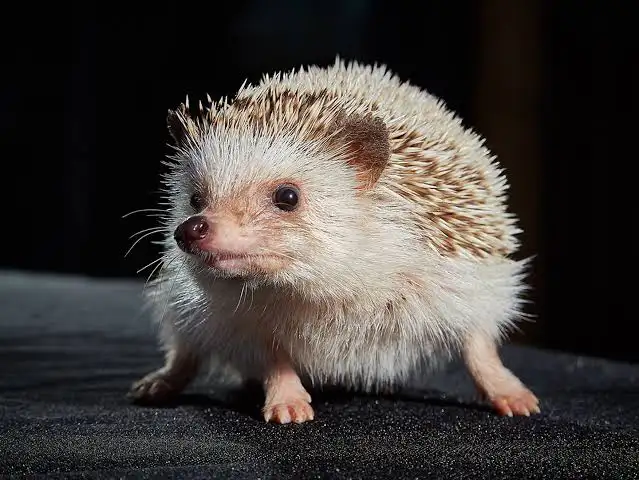
Scientific Name: Atelerix albiventris
Scientific Classification
Kingdom: Animalia | Phylum: Chordata | Class: Mammalia | Order: Eulipotyphla | Family: Erinaceidae | Genus: Atelerix
Physical Characteristics
African pygmy hedgehogs are small mammals covered in 5,000-7,000 quills made of keratin. They measure 15-25 cm long and weigh 300-600 grams. These nocturnal animals can roll into a defensive ball when threatened. In captivity, they typically live 4-8 years, though some reach 10 years with excellent care. Wild populations only survive 2-3 years.
Habitat & Distribution
Native to Central and Eastern African savannahs and grasslands, these hedgehogs evolved for warm, dry climates at 21-29°C (70-85°F). Their conservation status is Least Concern. Pet hedgehogs are captive-bred, not wild-caught.
CRITICAL CLIMATE CONCERN FOR DAVAO CITY: Davao’s tropical climate averages 27-32°C (81-90°F) with 78-83% humidity year-round. This is significantly hotter and more humid than a hedgehog’s natural habitat. You’ll need 24/7 air conditioning to keep them alive.
Diet & Behavior
These insectivores eat insects, worms, snails, and occasional plant matter. In captivity, they need high-protein cat food or specialized hedgehog kibble plus live insects. They’re strictly nocturnal, sleeping 18-20 hours daily. Hedgehogs are solitary animals that don’t need companionship. They perform “self-anointing” – spreading foamy saliva on their quills when encountering new scents. Females have a 35-58 day gestation period and produce 3-6 babies called hoglets.
Pet Suitability Assessment for Davao City
Rating: 1 out of 5
I’m rating hedgehogs at 1 out of 5 specifically for Davao conditions because the climate here makes hedgehog ownership extremely difficult and expensive.
Hedgehogs will literally die in Davao’s heat without constant AC. You need to maintain 21-24°C (70-75°F) 24/7, 365 days a year. Based on current Davao Light rates (₱8.99/kWh as of January 2025), running a 1.0 HP inverter aircon continuously will cost you ₱3,000-4,500 monthly just for your hedgehog.
That’s ₱36,000-54,000 per year in electricity alone.
Non-inverter units cost even more!
One power outage during Davao’s frequent brownouts could be fatal.
Hedgehogs are also exotic animals under Philippine law (RA 9147). You need a Certificate of Wildlife Registration (CWR) from DENR’s Biodiversity Management Bureau. Buying from unlicensed sellers puts you at legal risk. Verify the seller has a Wildlife Farm Permit before purchasing.
Cancer is extremely common in hedgehogs – many only live 2-4 years despite potential for longer. They’re also prone to “wobbly hedgehog syndrome,” a fatal neurological disease. Finding exotic animal vets in Davao is challenging and expensive.
They’re nocturnal, so forget daytime interaction. Their quills require careful handling. They are not cuddly pets. The diet needs specialized kibble plus live insects, which aren’t easy to source locally.
If I haven’t stressed it enough… temperature fluctuations stress them out, making Davao’s climate particularly problematic. Davao’s 78-83% humidity is much higher than their native dry climate. Combined with heat, this creates serious respiratory risks.
Unless you’re prepared for massive electricity bills, have generator backup for power outages, can source exotic vet care, and have secured proper DENR permits, skip the hedgehog. Our climate alone makes this a poor choice for Davao residents.
Consider pets naturally adapted to tropical climates – guinea pigs, rabbits (with good ventilation), or local bird species that don’t require constant temperature control.

