

Aaahhh… Valentine’s Day 2026… the day when all we can think of is love, affection, and lifelong bonding.
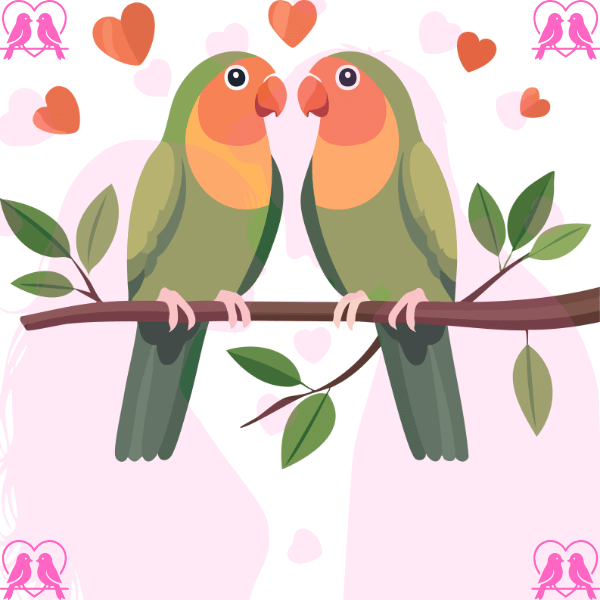
That reminds of the animal most fit to write about for this day… lovebirds!
Here in Davao City, lovebirds have become one of the most popular pet birds you’ll see in homes, small backyard aviaries, and even local pet shops.
They’re colorful, expressive, affectionate, and deeply social. They may look cute on social media, but behind that bright, colorful façade of feathers is a living creature that requires proper care, patience, and responsibility.
This guide is written for anyone who has ever said, “I want lovebirds”, whether as a Valentine’s gift, a family pet, or a long-term companion.
Oh and don’t worry, lovebirds are beginner-friendly. Just don’t mistake them for low-effort or low-maintenance pets.
Why Lovebirds Are So Popular in Davao City
Lovebirds are everywhere in the Philippines, and especially in Davao. There are good reasons for that:
- They are small and space-efficient
- They are visually attractive and colorful
- They are affectionate and social
- They fit well into urban and suburban homes
Most importantly, lovebirds symbolize companionship and loyalty—something very fitting for Valentine’s Day.
These birds form strong bonds, either with their mate or with their human caretaker. Once bonded, they are fiercely loyal.
What Exactly Is a Lovebird?
Lovebirds are small, stocky parrots measuring around 5.1 to 6.7 inches (13–17 cm) in length. They have:
- A large, curved bill
- A short, rounded or square tail
- Bright, expressive plumage
- A strong, compact body
They are intelligent and alert birds that are always aware of their surroundings.
Lifespan
- Average lifespan: 10–12 years
- Oldest recorded lovebird: 17 years
That means owning a lovebird is a long-term commitment, not a short-term Valentine’s surprise.
Understanding Lovebird Behavior
Lovebirds are highly social animals. In the wild and in captivity, they thrive on companionship.
Key Behavioral Traits
- Extremely affectionate
- Strong pair bonding
- Can become aggressive toward other birds
- Very vocal and active
- Curious and playful
Because of this, lovebirds are best kept as pairs. A single bird can survive, but it will require significant daily interaction from its owner to replace the companionship of another bird.
The Importance of Keeping Pets Like Lovebirds
- They teach responsibility and routine
- They encourage empathy and care
- They provide companionship
- They bring life and sound into the home
For families, lovebirds can help children learn respect for living creatures. For adults, they provide emotional comfort and daily structure.
Daily Care and Feeding
Diet Basics
In the wild, lovebirds eat:
- Seeds
- Berries
- Fruits
- Grains
- Grasses
- Leaf buds
- Corn, maize, and figs
In captivity, each lovebird consumes 1½ to 2 ounces (45–60 grams) of food daily.
Recommended Diet Options
- Small parrot seed mix with supplements and vitamins
OR - Formulated diet with fruits, vegetables, and greens (no extra vitamins needed)
Safe Supplements
Fruits
- Apples
- Bananas
- Grapes
- Pears
- Kiwi
- Berries
Vegetables & Greens
- Spinach
- Endive
- Watercress
- Parsley
- Dandelion greens
- Carrot tops
- Corn on the cob
- Peas
- Garden herbs
Protein
- Unshelled peanuts
- Hazelnuts
- Walnuts
- Brazil nuts
- Chestnuts
Never feed avocado. It is toxic to birds.
Food & Water Safety
- Use earthenware or porcelain dishes
- Avoid plastic—lovebirds chew and ingest it
- Change water frequently (they drink a lot)
Bathing and Grooming
Lovebirds love bathing.
- Provide a shallow earthenware dish
OR - Light mist spray using lukewarm water
They prefer dipping their heads and beating their wings rather than fully submerging.
Nails and beaks are usually maintained naturally through climbing and chewing. Always consult a vet before trimming.
Housing: Proper Cage Setup in Davao’s Climate
Lovebirds are extremely active and need space.
Minimum Cage Size (Per Pair)
| Measurement | Size |
| Width | 32 inches (81 cm) |
| Depth | 20 inches (50 cm) |
| Height | 20 inches (50 cm) |
Include:
- At least 4 perches
- Food and water dishes
- Bathing area
Placement Tips
- Eye-level height or about 6 feet from the floor
- Well-lit and ventilated
- Away from drafts, doors, and direct sunlight
- Close to a wall for security
Davao’s climate is generally comfortable for lovebirds. If it’s comfortable for you, it’s likely comfortable for them.
Nest Boxes and Population Control
Nest boxes help lovebirds feel secure.
Recommended Sizes
- 8″ x 8″ x 8″
- 10″ x 6″ x 6″
Check regularly for eggs and remove them immediately to prevent overpopulation. Remember—there are already many homeless animals.
Maintenance and Cleanliness
Daily:
- Change food and water
- Replace cage liner (newspaper works well)
Weekly:
- Wash and disinfect the cage
- Clean perches and toys thoroughly
Cleanliness prevents disease and prolongs your bird’s life.
Handling, Taming, and Training
Young birds are easier to tame than adults.
Taming Basics
- Talk softly
- Move slowly
- Spend time daily
- Build trust
Start with a dowel and treats, then slowly transition to finger stepping. Lovebirds aren’t great talkers, but some may learn a few words.
Daily Activities and Enrichment
Lovebirds are busy all day:
- Flying
- Climbing
- Chewing
- Grooming
- Chirping
Favorite Toys
- Swings
- Ladders
- Seed bells
- Mirrors
- Shiny objects
- Wooden chew toys
- Dye-free paper
Always supervise birds outside their cage. Secure the room completely.
Health Benefits and Risks
Health Benefits (For Humans)
- Emotional companionship
- Stress relief
- Improved routine and responsibility
- Positive household energy
Health Risks to Birds
- Fighting injuries
- Viral and bacterial infections
- Parasites
- Egg binding
- Respiratory issues
Health Risks to Humans
- Improper hygiene may lead to bacterial exposure
- Cleaning cages regularly minimizes risk
Signs of Illness (Never Ignore These)
- Fluffed feathers
- Dull plumage
- Excessive sleeping
- Watery eyes or runny nose
- Loss of interest
- Loose or discolored droppings
- Tail bobbing
- Difficulty breathing
An ill bird should be brought to an avian veterinarian immediately.
Pros and Cons of Keeping Lovebirds
Pros
- Affectionate and loyal
- Intelligent and interactive
- Long lifespan
- Visually beautiful
- Symbol of love and companionship
Cons
- Require daily attention
- Can be aggressive to other birds
- Loud and active
- Long-term commitment
- Not “low-maintenance”
temporary companions. They are
Just like real love, lovebirds won’t just brighten your home—they will become part of your life for years to come as living symbols of commitment, patience, and care.
Want to get lovebirds? You might want to order these beforehand.
Learn More About Bird Books
Bird Cage
Bird Seed
Bird Food and Water Dish
It won’t cost you extra to buy it and I get a nice little commission which helps me keep this website going.
Thank you!

